Why Cedar is the Ultimate Choice for Your Wooden Fence
Discover why a cedar wood fence stands out among fencing options, offering superior beauty, privacy, and durability. Explore design, installation, and care tips to ensure a long-lasting investment
FENCE BUILDER NEAR ME
5/20/20265 min read
Why Cedar is the Ultimate Choice for Your Wooden Fence
When planning a backyard upgrade, you want materials that can withstand the elements while looking fantastic. Cedar has earned its reputation as a top-tier building material for several compelling reasons.
Built-In Natural Defenses
One of the most remarkable features of this lumber is the natural rot resistance of western red cedar. Unlike lesser woods that rapidly decay when exposed to moisture, cedar contains naturally occurring tannins that protect it from the inside out. Furthermore, cedar boasts unique aromatic oils and insect repellent properties. These oils are exactly what give cedar its famously pleasant scent, but to termites and ants, that scent is a powerful deterrent.
Durability: Cedar vs. Other Woods
When weighing cedar vs pressure treated wood durability, homeowners often wonder which is the better investment. Pressure-treated wood is infused with chemical preservatives to ward off rot and insects, making it highly durable, but it has a tendency to warp, shrink, and crack over time. Cedar, on the other hand, is dimensionally stable. It stays straight and flat, making it ideal for a clean, professional finish.
So, how long does a cedar fence last? With proper installation and routine maintenance, a well-built cedar wood fence can easily last 20 to 30 years—significantly outperforming cheaper alternatives.
Selecting Your Lumber: Types and Dimensions
Not all cedar is created equal. Before you head to the lumber yard to pick up your materials or pre-made cedar wood fence panels, it pays to understand what you are buying.
Choosing the Right Species
If you are deciding between white cedar vs red cedar for outdoors, both are excellent choices, though they have slight differences. Western Red Cedar is famous for its rich, warm hues and exceptional weather resistance. Northern White Cedar is slightly lighter in color and incredibly resilient against rot, though it tends to have more knots. Both outperform a standard, chemically untreated white wood fence (usually made from spruce or pine), which will quickly succumb to rot if not rigorously maintained.
Understanding Lumber Sizing
A common trap for DIYers is the confusion between nominal vs actual cedar lumber dimensions. When you buy a standard 2x4 cedar rail, its actual dimensions are 1.5 inches by 3.5 inches. This occurs because the lumber is initially cut to the nominal 2x4 size when rough and green, but shrinks during the drying and planing process. Always calculate your material needs based on the actual dimensions to ensure you don’t end up short on materials when building a privacy fence with cedar boards.
Designing Your Cedar Fence
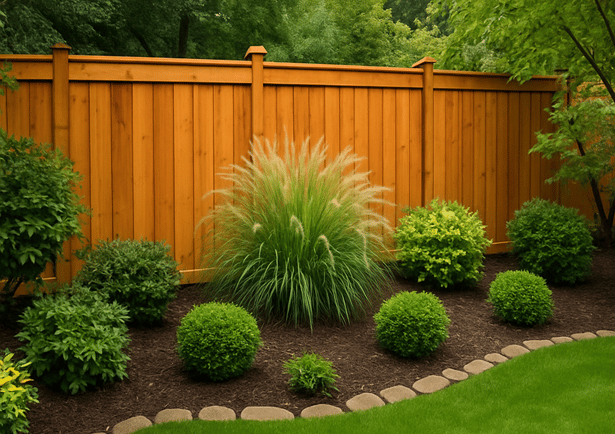
The aesthetic flexibility of cedar means it can adapt to almost any architectural style, from rustic farmhouses to ultra-modern urban homes.
Orientation and Style
One of the biggest design trends today involves vertical vs horizontal cedar fence designs.
● Vertical Fences: The traditional choice. Vertical boards are excellent for privacy and are generally easier to install on uneven terrain. They also naturally shed rain, which helps prevent moisture pooling.
● Horizontal Fences: A modern, sleek approach. Horizontal boards make outdoor spaces feel wider and more expansive. However, they require thicker boards and more robust post support to prevent sagging over time.
If you want to save time, purchasing pre-fabricated cedar wood fence panels is a smart move. Panels allow for rapid installation, though building from scratch with individual boards gives you greater control over custom spacing and terrain adaptation.
Installation Tips and Best Practices
A wooden fence is only as strong as its foundation. Even the highest quality lumber will fail if installed improperly.
Securing the Posts
The single most critical step in your project is setting cedar fence posts in concrete. Because cedar is naturally rot-resistant, some builders bury it directly in the dirt, but setting the posts in concrete ensures maximum wind resistance and structural integrity.
Pro Tip: When pouring your concrete, create a slight slope or "dome" at the top, sloping away from the wood. This directs rainwater away from the post, preventing water from pooling at the base and accelerating rot. Adding a few inches of gravel at the bottom of the post hole before adding concrete also drastically improves drainage.
Attaching the Pickets
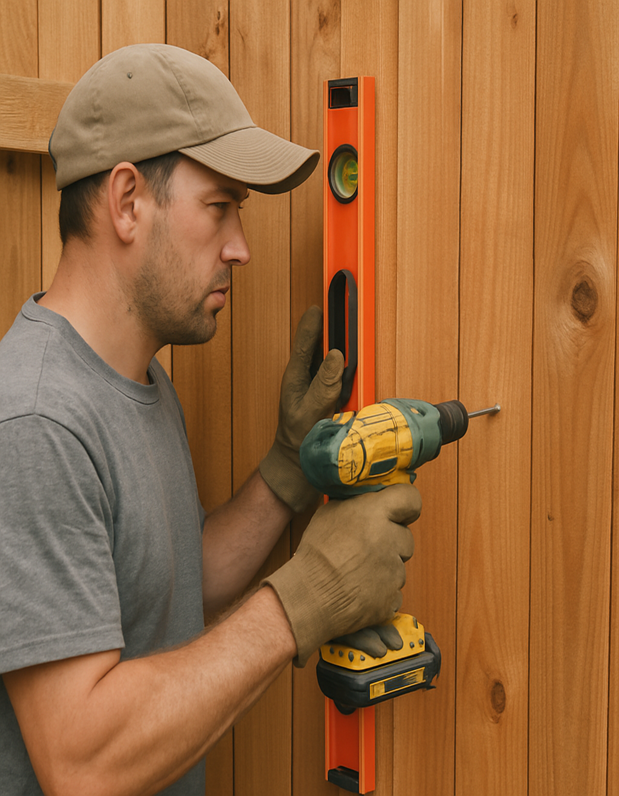
Knowing how to install cedar fence pickets correctly will save you headaches down the road.
● Use the Right Fasteners: Always use hot-dipped galvanized, stainless steel, or polymer-coated screws and nails. Standard steel fasteners will react with cedar's natural tannins, causing unsightly black streaks down your fence.
● Keep it Elevated: Never let your cedar pickets touch the ground. Leave at least a two-inch gap between the bottom of the picket and the soil to prevent the wood from wicking up ground moisture.
● Use a Spacer: Cut a small block of wood to your desired gap width and use it as a guide between each picket to ensure perfectly uniform spacing.
Maintenance and Care for Maximum Longevity
Once your beautiful fence is up, you want to keep it looking pristine. While cedar is incredibly low-maintenance compared to other woods, it still requires some TLC.
To Stain or Not to Stain?
A highly debated question is: does a cedar fence need to be stained? Structurally, no. Cedar’s natural oils will protect it from rot without any chemical intervention. However, cosmetically, leaving it untreated leaves it vulnerable to UV rays. Without protection, the sun will eventually bleach the wood's natural reds and yellows, turning it into a weathered, silvery gray.
If you love the rustic gray look, you can leave it completely bare. But if your goal is preventing cedar wood discoloration and graying, you must apply a protective finish.
Sealing and Protecting
To maintain that freshly cut, rich color, you need to apply a high-quality UV-blocking finish. The best sealer for cedar fencing is typically a penetrating semi-transparent oil-based stain. Unlike surface-level paints that can peel and trap moisture, penetrating oils soak deep into the wood fibers, nourishing the wood while blocking harmful UV rays. Plan to reapply a fresh coat every two to three years for optimal protection.
Dealing with Organic Growth
Over time, especially in damp or highly shaded areas, your fence may develop spots of fungi or algae. Cleaning mold and mildew off cedar wood is a straightforward process, but it requires a gentle touch.
● Avoid highly pressurized power washing, which can splinter and chew up the soft fibers of cedar wood.
● Instead, use a specialized oxygen bleach wood cleaner (or a mild solution of white vinegar and water).
● Apply the solution with a garden sprayer, let it sit for 15 minutes, scrub gently with a soft-bristle brush, and rinse with a standard garden hose.
Cost Considerations
Budgeting is a vital part of any home improvement project. Because it is a premium material, cedar requires a slightly higher upfront investment than pressure-treated pine or composite panels.
Currently, the average cost of cedar fencing per foot ranges between $15 and $30 for materials alone, depending on your geographic location, lumber quality (clear vs. knotty), and the height of the fence. If you are hiring a professional contractor for the installation, expect the total cost to range from $35 to $60 per linear foot.
While this might seem steep initially, remember that cedar's longevity, low maintenance requirements, and the value it adds to your property make it incredibly cost-effective in the long run. You won't be replacing warped boards or fighting constant termite infestations like you might with cheaper alternatives.
Conclusion
Choosing the right materials for your property’s perimeter is a big decision, but investing in a cedar wood fence is rarely one that homeowners regret. From the exceptional natural rot resistance of western red cedar to the modern aesthetic appeal of horizontal designs, cedar delivers on all fronts.
By understanding the difference between white and red varieties, knowing your nominal vs actual dimensions, and utilizing proper installation techniques like setting posts in concrete, you guarantee a sturdy, beautiful build. Follow up with the right penetrating sealers to prevent graying, and your cedar fence will serve as a stunning, sweet-smelling, and structurally sound boundary for your home for decades to come.