Optimal PSI for Pressure Washing Driveways: A Guide
Learn how much psi to pressure wash driveway surfaces without causing damage. Discover the best psi settings, equipment, and techniques for concrete and asphalt cleaning.
PRESSURE WASHING NEAR ME
5/22/20266 min read
Choosing the Right PSI for Driveways
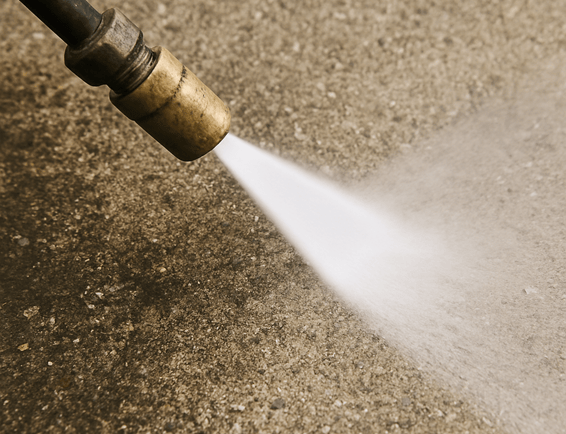
There is nothing quite like the curb appeal of a freshly cleaned driveway. Over time, your home’s entrance accumulates layers of dirt, automotive fluids, pollen, and mildew, turning a bright, welcoming surface into a dull, stained eyesore. Reviving it seems simple enough: just blast the grime away. But before you pull the trigger on your wand, you need to know exactly how much psi to pressure wash driveway surfaces safely and effectively.
Using too little pressure leaves stains behind, turning your weekend chore into an exercise in frustration. Using too much pressure, however, can cause irreversible structural damage to your property. If you are wondering exactly what psi pressure washer for driveway cleaning is best, you are in the right place.
This comprehensive guide will walk you through the ideal pressure settings, equipment choices, and expert techniques to restore your driveway to its former glory.
Understanding the Basics: PSI and GPM
Before diving into the exact numbers, it is essential to understand the two main metrics used to measure a pressure washer's cleaning power: PSI (Pounds per Square Inch) and GPM (Gallons Per Minute).
Having gallons per minute vs psi explained simply makes choosing your settings much easier:
● PSI (Pounds per Square Inch): This represents the force or pressure of the water. It is what breaks the bond between the stain and the driveway surface.
● GPM (Gallons Per Minute): This represents the flow or volume of the water. Once the PSI breaks the dirt loose, the GPM is responsible for washing it away.
For large flat surfaces like driveways, high GPM is just as crucial as high PSI, as it dictates how fast you can complete the job.
Finding the Sweet Spot: PSI for Concrete Driveways
Concrete is incredibly durable, but it is not invincible. Because of its porous nature, dirt and organic growth can settle deep into its surface. Homeowners frequently ask how much psi is needed to clean concrete effectively without destroying the top layer.
The general consensus for the ideal pressure washer psi for cleaning concrete is between 2500 and 3000 PSI.
At this range, the water stream is powerful enough to lift ground-in dirt, lift tire marks, and wash away mildew. If you are looking for the exact psi to clean concrete optimally, aiming for roughly 3000 PSI with a flow rate of 3.0 GPM is considered the gold standard for residential properties.
However, keeping within safe pressure levels for concrete surfaces is vital. Concrete is held together by cement paste, which can be chipped or blasted away if subjected to extreme force. If you are researching pressure washer psi concrete recommendations, always start at the lower end of the spectrum—around 2500 PSI—and only increase the pressure if stubborn stains refuse to budge.
Can Too Much Pressure Cause Damage?
A common question among ambitious DIYers is: will 3000 psi damage a driveway?
The short answer is yes, it absolutely can, especially if used incorrectly. If you hold the spray nozzle too close to the surface, use a concentrated zero-degree nozzle, or wash concrete that is less than a year old, 3000 PSI can easily strip away the smooth top cream of the concrete. This exposes the rough aggregate underneath, resulting in permanent, unsightly lines known as "etching."
Learning how to avoid etching concrete with pressure involves a few simple rules:
● Never use a 0-degree (red) nozzle on concrete.
● Keep the wand tip at least 12 to 18 inches away from the surface.
● Keep the wand moving continuously; never linger in one spot.
● Sweep in overlapping strokes to avoid tiger-striping.
Adjusting for Different Driveway Materials
While concrete is the most common driveway material, it isn't the only one. The exact psi needed to clean concrete will be far too aggressive for softer materials.
Asphalt Driveways
Asphalt is a petroleum-based material made of aggregate stones bound together by asphalt cement. It is significantly softer than concrete. When you power wash asphalt driveway surfaces, you must dial back the pressure.
For cleaning asphalt driveways without causing damage, aim for a much lower range—around 1500 to 2000 PSI. Using higher pressure can blast away the protective seal coat, dislodge the small rocks, and severely degrade the surface. Always use a wide-angle nozzle and maintain a generous distance from the pavement.
Pavers and Brick
Brick and interlocking pavers require a delicate touch. While the bricks themselves might withstand 2000 PSI, the polymeric sand holding them together will be blasted out if you aren't careful. Keep your pressure below 2000 PSI and spray at a shallow angle rather than pointing straight down into the joints.
If you are tasked with removing stubborn oil stains from pavers, rely on chemical treatments and degreasers rather than brute-force water pressure. Let the chemicals do the heavy lifting, then gently rinse the area.
Choosing the Right Equipment
To achieve the desired results, matching your equipment to your driveway is essential.
Power Options: Gas vs. Electric
When doing a gas vs electric power washer comparison, the primary difference lies in raw output.
● Electric Pressure Washers: These typically max out between 1500 and 2300 PSI. While excellent for washing cars, patio furniture, and vinyl siding, they often lack the punch needed for deep-cleaning mature concrete. They can get the job done, but it will take considerably longer.
● Gas Pressure Washers: These machines easily reach the 2500 to 4000 PSI range, making them the superior choice for concrete driveways. They also offer higher GPM, drastically cutting down your working time.
Selecting the Right Nozzles
Having the required PSI is useless if you use the wrong spray tip. The best pressure washer nozzle for driveways is generally the 25-degree (green) nozzle. It provides a wide enough fan to clean efficiently without concentrating too much pressure in a single pinpoint. For lighter washing or applying soap, use the 40-degree (white) nozzle.
The Ultimate Driveway Tool
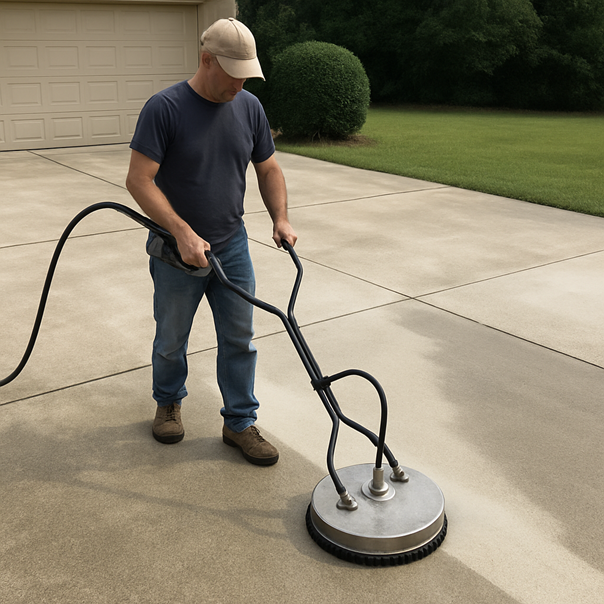
If you have a sizable area to clean, utilizing a surface cleaner attachment for large driveways is a game-changer. This attachment looks like a floor buffer and features a spinning bar with two nozzles underneath a protective dome. It evenly distributes the pressure, completely eliminates the risk of tiger-striping, and cuts cleaning time in half.
Pro-Level Preparation and Cleaning Techniques
To get professional-grade results, you cannot just rely on water pressure alone. Preparation and the right detergents make a world of difference.
1. Pre-Treating the Surface
Start by sweeping the driveway thoroughly to remove loose dirt, leaves, and debris. Following this, pre-treating driveway with biodegradable detergent is a crucial step. A good concrete cleaner will break down oil, lift dirt, and loosen grime, allowing you to use less pressure and work faster. Apply the detergent using a low-pressure black nozzle, let it sit for 10 to 15 minutes (without letting it dry), and then begin washing.
2. Dealing with Organic Growth
If your driveway is shaded and holds moisture, you likely have green or black patches. Identifying effective ways to kill driveway moss and algae involves using a diluted bleach solution or a specialized mold-killing driveway wash. Apply the solution, let it dwell to kill the spores at their roots, and gently wash it away. This prevents the moss from growing right back a few weeks later.
3. Tackling Heavy Grease and Oil
For decades-old oil spots or thick transmission fluid stains, cold water might not cut it. This is where you see the massive benefits of hot water pressure washing. Hot water breaks down grease and oil on a molecular level—much like washing greasy dishes in the sink. While hot water units are generally commercial grade, you can rent one from a local hardware store to tackle severe stains.
Safety and Aftercare
Pressure washers are powerful power tools, not toys. The water jet from a 3000 PSI machine can slice through skin and cause severe injuries.
Gear Up for Safety
Always wear proper protective equipment for high pressure cleaning. This includes:
● Safety goggles: To protect your eyes from flying debris and ricocheting pebbles.
● Closed-toe shoes: Sturdy work boots or rubber rain boots are mandatory. Never pressure wash in sandals or barefoot.
● Long pants: To shield your legs from flying dirt and high-pressure overspray.
● Hearing protection: Gas pressure washers can be incredibly loud.
Post-Wash Maintenance
Once your driveway is sparkling clean and completely dry (usually after 24 to 48 hours), you should consider sealing concrete after deep cleaning. A high-quality penetrating silane-siloxane sealer will block the pores of the concrete, preventing water, oil, and dirt from sinking in. This protective barrier extends the life of your driveway, helps prevent winter freeze-thaw damage, and makes your next pressure washing session incredibly easy.
Final Thoughts: Should You DIY or Hire Out?
Figuring out exactly how much psi to pressure wash driveway surfaces is just the first step in driveway maintenance. As you've learned, successful cleaning requires an understanding of pressure dynamics, the right detergents, surface knowledge, and proper safety protocols.
When weighing professional vs diy driveway power washing, consider your time, budget, and experience. If you enjoy weekend projects, renting or buying a 3000 PSI gas pressure washer and a surface cleaner attachment is a highly rewarding investment. However, if you are dealing with delicate pavers, ancient brittle asphalt, or you simply do not have the time to dedicate to the process, hiring a licensed professional is always a safe bet. Professionals have commercial-grade equipment and the expertise to guarantee a spotless finish without the risk of etching or property damage.
Whichever route you choose, understanding the mechanics of PSI and proper concrete care ensures your driveway remains a clean, welcoming, and structural-sound introduction to your home for years to come.
info@kingdomkleenpowerwashing.com
Phone: 469-645-8552
Get Your Free Quote Now
Service Areas:
Denton, Aubrey, Little Elm, The Colony, Lewisville, Celina, Prosper, Frisco, McKinney, Plano, Allen, Dallas
Proud Member of the North Star Service Alliance
Trusted North DFW Service Professionals.