Essential Tips for Pool Deck Drain Cleaning
Discover expert strategies for pool deck drain cleaning near me, ensuring a safe and dry pool area. Prevent structural damage with essential maintenance tips.
POOL DECK DRAIN CLEANING NEAR ME
5/22/20266 min read
Essential Tips for Pool Deck Drain Cleaning
You’ve just finished a perfect swim, but stepping into a warm, stagnant puddle ruins the vibe completely. Standing water is more than a gross nuisance. According to basic safety guidelines, this slippery mess creates an immediate fall hazard for barefoot kids and running pets.
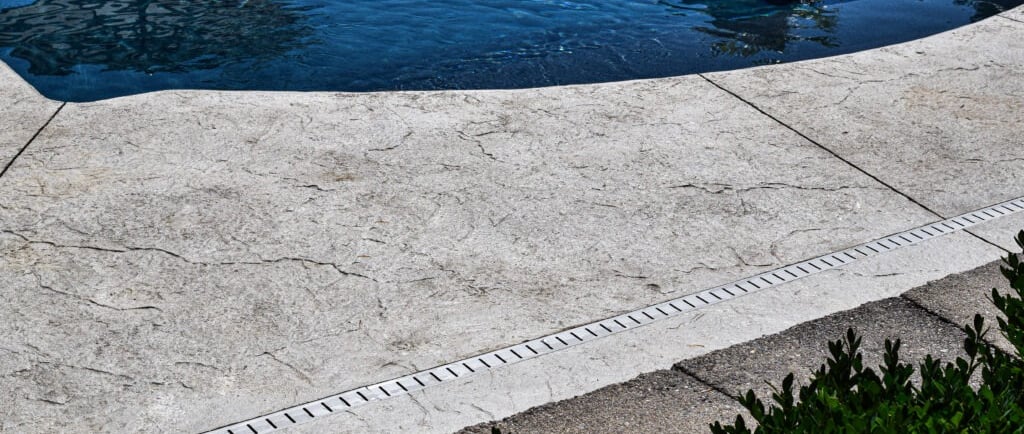
Think of your patio's continuous gutter, often called a Deck-O-Drain, like a giant shower drain built for the outdoors. Local rainfall patterns frequently dump water in short bursts, pushing clogged channels past their capacity limits. Finding a local pool deck drain cleaning expert is usually the best move once a hardened mix of leaves and dirt blocks this vital flow.
Hidden beneath those grates lies a serious financial risk. Industry data reveals that trapped water builds "hydrostatic pressure"—essentially the immense weight of underground moisture pushing upward until your concrete literally cracks. Fixing standing water on pool patio surfaces immediately prevents these expensive structural failures while simultaneously stopping mosquitos from breeding.
Clearing nature's cement usually requires a bit more power than your standard garden hose. Securing expert pool maintenance protects your backyard oasis using specialized tools, solving the problem without digging up your yard.
The Anatomy of Your Deck Drainage: Trench Drains vs. Deck-O-Drains
Proper pool deck maintenance starts with a closer look at your grates. Understanding what system you have dictates exactly how you'll clear away that standing water.
Backyards typically feature one of two main drainage designs:
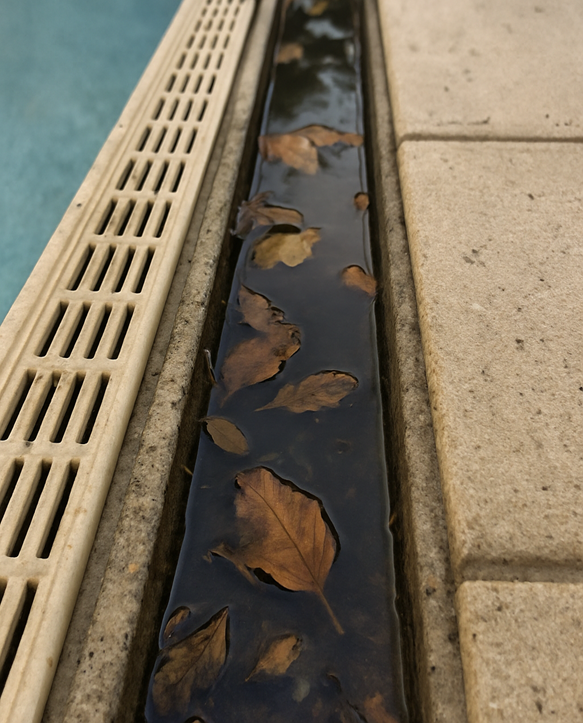
● Trench drains (pool deck channel drains): These act like mini street gutters with wide, removable covers. They usually empty into a "debris trap"—a small catch basin that strains out large leaves before they hit the main pipe.
● Slot drains: Built directly into the concrete, these feature a continuous, narrow slit. Removing debris from Deck-O-Drain channels requires specialized narrow-access tools since you can't just pop off a lid to scoop out the muck.
Your system's accessibility reveals if a simple garden hose might help or if professional equipment is required. Regardless of the physical design, both setups inevitably face the exact same stubborn blockages caused by what professionals call "nature's cement."
Why Your Pool Drain is Overflowing: The 'Nature’s Cement' Problem
When a pool deck drain overflows, the culprit is rarely just stray leaves. Sunscreen, hair, and everyday yard dirt constantly wash into your channels. When mixed with chlorine and pool minerals, this organic material creates a sticky sludge that binds together like nature's cement.
This sticky foundation catches finer particles, leading to rapid siltation. While big leaves simply block the surface, heavy dirt packs tightly inside narrow pipes, completely choking the water flow. Once this dense layer settles, clearing sand and silt from pool trench drains requires far more pressure than your standard garden hose can generate.
Finally, splashing pool water leaves behind minerals that crystallize in the sun. If you spot a crusty white residue, removing calcium deposits from pool drain grates is your next hurdle. This rock-hard calcium carbonate locks the underground sludge firmly into place, but you can still attempt to break it apart safely with the right at-home flushing technique.
How to Clear Clogged Pool Deck Drains: A Step-by-Step DIY Flushing Guide
Before you grab a hose to blast that sticky "nature's cement," remember that high pressure can actually make the problem worse. Forcing water directly into a severe blockage often pushes the clog deeper underground, turning a quick weekend fix into an expensive yard excavation. Learning how to clear clogged pool deck drains safely means focusing on extraction rather than sheer force.
The best tools for cleaning pool deck channel drains are likely sitting in your garage right now.
You can safely restore water movement by following this simple five-step process:
1. Remove the top grates carefully with a screwdriver.
2. Scoop out all visible surface debris by hand.
3. Suction out the wet sludge using a wet/dry vac.
4. Run a low-pressure garden hose flush through the channel.
5. Perform a flow test by dumping a five-gallon bucket of water and timing the drainage.
Success with unclogging pool deck drains without a snake usually comes down to "back-flushing." This simply means using your vacuum suction to pull the blockage backward, breaking the dirt's grip on the pipe walls. For slightly tougher spots, an inexpensive rubber drain bladder attached to your hose can expand inside the pipe, delivering a gentle, pulsating water flow to loosen stubborn gunk without damaging the plastic lines.
Your final flow test reveals the true health of your drainage system, acting as a clear indicator of whether the issue is a flushable organic clog or a structural failure. If the puddle stubbornly remains after vacuuming, you might be facing ground settling or severe root intrusion.
When DIY Fails: Signs You Need a Professional Service
Even after a thorough vacuuming, some blockages stubbornly refuse to budge. When DIY efforts fail to restore flow, the problem usually sits deep underground where household tools cannot reach. Watch for these critical signs of collapsed pool deck drainage pipes or terminal deep-earth clogs:
● Standing water lingering for over 24 hours
● Gurgling sounds bubbling up from the grates
● Visible cracks around the plastic channels
● Recurring "black muck" odors despite recent cleaning
Ignoring these warnings transforms a simple puddle into a silent destroyer. If a broken underground line leaks beneath the concrete, the escaping water slowly washes away the supporting dirt through soil erosion. Over time, this hollows out the ground beneath your patio, causing foundation undermining that can literally crack your expensive pool deck in half. Ultimately, hiring a reliable local drain cleaning expert acts as incredibly cheap insurance when compared to the massive expense of tearing out and replacing sunken concrete.
Protecting your backyard oasis from these severe structural threats requires the right tools. A professional pool deck drain cleaning service brings industrial equipment to diagnose hidden fractures and safely clear the line. Once an inspection confirms your pipe isn't crushed, it’s time to bring in the heavy artillery: hydro-jetting.
The Professional Edge: Why Hydro-Jetting is the Ultimate Solution
Pushing a standard plumbing snake into a clog is like poking a hole in wet mud—it briefly lets water pass, but the sticky sludge remains. When weighing professional hydro-jetting vs DIY drain cleaning, the difference comes down to absolute scouring power. Hydro-jetting uses 3000 PSI of pressurized water to completely scrub the interior walls of your underground channels.
This equipment acts like a 360-degree car wash inside your plumbing, obliterating stubborn leaves, sunscreen, and mud. While the average cost of professional pool deck drain service exceeds renting a basic mechanical snake, the long-term return on investment is undeniable. Reputable drain cleaning services strip your pipes down to a "factory-clean" state, meaning it takes much longer for new debris to stick.
Before firing up these heavy-duty jets, experts perform a video pipe inspection to see safely beneath your concrete. Sliding a tiny, waterproof camera down the grate pinpoints blockages and verifies the pipe's structural health. This visual proof prevents unnecessary yard damage, guaranteeing nobody breaks out a jackhammer for a problem water pressure can solve.
Restoring that crystal-clear water flow is just the beginning of protecting your backyard oasis. Once the hidden muck is finally gone, keeping the system smelling fresh requires proactive care.
Preventing Mold and Odors: Seasonal Maintenance Secrets
That lingering "swamp smell" near your lounge chairs means stagnant water is trapped underground. Wet debris sitting in dark pipes creates an environment perfect for breeding mosquitoes and fueling slippery black sludge. Proactively flushing this muck away is key to preventing mold growth in pool drainage systems before it ruins your afternoon outside.
Wondering how often to clean pool area drainage? Simply match your efforts to the changing weather, just like clearing your home's roof gutters. The benefits of regular pool drain maintenance include fresh air, dry feet, and avoiding expensive emergency plumbing calls. Follow this easy schedule:
● Spring: Flush out sticky pollen and spring blossoms.
● Summer: Check grates for dropped toys and hardened sunscreen.
● Autumn: Clear falling leaves before they become nature's cement.
● Winter: Remove any lingering yard waste to prevent freezing.
Building these simple habits guarantees your backyard remains an inviting, hazard-free zone all year round.
Your Roadmap to a Dry, Safe Pool Patio
Instead of feeling helpless when standing water surrounds your oasis, you now understand the anatomy of those channels and how nature's cement forms inside them. This insight transforms a slippery safety hazard from a frustrating mystery into a completely manageable situation.
Start by observing your system during the next heavy rainfall to see exactly where the runoff struggles to escape. If you spot stagnant puddles, apply our step-by-step guide to flushing pool perimeter drains to clear out loose surface debris. When deep, stubborn blockages require industrial power, you can confidently book a local pool deck drain cleaning service knowing exactly what flow tests and camera inspections to expect from local experts.
Getting ahead of these clogs shifts your focus from reacting to emergencies to practicing simple preventative care. Your ultimate reward is stepping outside after a summer storm to find a perfectly dry, safe deck.
info@kingdomkleenpowerwashing.com
Phone: 469-645-8552
Get Your Free Quote Now
Service Areas:
Denton, Aubrey, Little Elm, The Colony, Lewisville, Celina, Prosper, Frisco, McKinney, Plano, Allen, Dallas
Proud Member of the North Star Service Alliance
Trusted North DFW Service Professionals.