Can You Pressure Wash Tile Grout?
This article explains whether you can safely pressure wash tile grout and when it’s better to use soft washing or chemical cleaning instead. Learn how grout reacts to high pressure, the risks of damage, recommended PSI levels, and the best professional methods for cleaning tile surfaces without cracking, eroding, or discoloring the grout.
PRESSURE WASHING NEAR ME
5/15/20263 min read
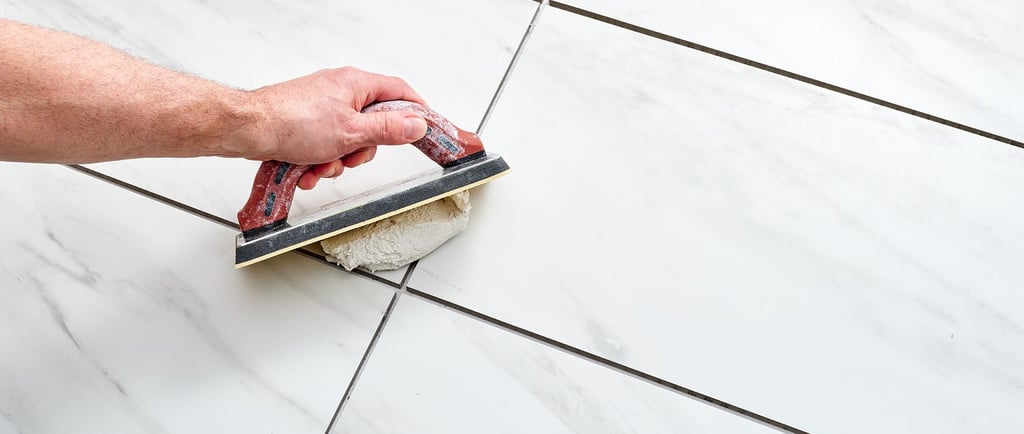
Can You Pressure Wash Tile Grout?
What Homeowners, HOAs, and Property Managers Need to Know Before Cleaning Tile Surfaces
Tile is one of the most durable and attractive surfaces used in homes, commercial buildings, pool decks, locker rooms, patios, and outdoor kitchens. But the grout between those tiles? That’s a different story. Grout is porous, fragile, and easily damaged — especially when exposed to the wrong cleaning method.
One of the most common questions we hear from homeowners and property managers is:
“Can you pressure wash tile grout?”
The short answer: You can, but you usually shouldn’t. The long answer: It depends on the type of tile, the age of the grout, the PSI used, and the cleaning method.
This article breaks down everything you need to know — based on real‑world experience and industry best practices — so you can clean tile safely without causing costly damage.
What Makes Grout So Vulnerable?
Grout is a mixture of cement, sand, and water. That means:
It’s porous
It absorbs moisture
It cracks easily
It erodes under high pressure
It stains deeply
Unlike tile, which is hard and non‑porous, grout behaves more like a sponge. That’s why it becomes discolored, moldy, or crumbly over time — and why pressure washing can be risky.
Can You Pressure Wash Tile Grout?
Yes — but only under specific conditions.
Pressure washing can be used on grout only when:
The grout is in good condition
The PSI is kept low
The tile is durable (stone, porcelain, outdoor tile)
The operator is trained
The spray angle is controlled
The surface is outdoors
When Pressure Washing Grout Is a Bad Idea
Avoid pressure washing grout when:
The grout is old or cracking
The tile is indoors
The tile is ceramic or delicate
The grout lines are thin
The area is sealed with a topical sealer
The surface is painted or coated
High pressure can:
Blow out grout lines
Crack tiles
Force water under tiles
Cause mold growth beneath the surface
Strip sealant
Recommended PSI for Tile Grout
To avoid damage:
Indoor tile grout: Never pressure wash
Outdoor tile grout: Use 500–1,200 PSI max
Commercial tile (locker rooms, kitchens): 1,000–1,500 PSI with caution
Pool tile: Soft washing or low‑pressure rinse only
Most consumer pressure washers start at 1,700–2,000 PSI — already too high for grout.
Soft Washing vs. Pressure Washing for Tile Grout
Soft washing is often the safer and more effective method.
Soft Washing Benefits
Uses low pressure
Uses detergents to break down grime
Kills mold and mildew at the root
Protects grout integrity
Prevents cracking and erosion
When Soft Washing Is Best
Pool tile
Outdoor kitchens
Patios
Stone tile
Painted or coated tile
Any tile with aging grout
Best Cleaning Methods for Tile Grout
Here’s how professionals decide what method to use:
1. Soft Washing (Recommended for Most Situations)
Uses detergents + low pressure to clean safely.
2. Steam Cleaning
Great for indoor tile and stubborn stains.
3. Alkaline or Enzymatic Cleaners
Break down organic buildup without pressure.
4. Low‑Pressure Rinse
Used after applying cleaning solutions.
5. High‑Pressure Cleaning (Only When Safe)
Used on durable outdoor tile with strong grout lines.
Why Pressure Washing Often Fails to Clean Grout Properly
Even when pressure washing doesn’t damage grout, it often doesn’t solve the problem.
Grout stains are usually caused by:
Mold
Mildew
Soap scum
Body oils
Hard water deposits
Algae (outdoors)
Pressure alone doesn’t kill organic growth — it just blasts the surface. That means stains return quickly.
Soft washing, on the other hand, kills the growth at the root, giving longer‑lasting results.
Real‑World Examples From the Field
As a professional exterior cleaning company, we’ve seen:
Pool tile grout blown out by homeowners using 3,000 PSI
Outdoor kitchen tile cracked from high‑pressure spray
Commercial tile floors etched from improper nozzles
Mold returning within weeks because pressure washing didn’t sanitize the surface
These are expensive mistakes — and completely avoidable.
When Pressure Washing Tile Grout Is Appropriate
Pressure washing can be used safely when:
The tile is outdoors
The grout is thick and in good condition
The PSI is controlled
A wide‑angle tip is used
The operator is trained
The surface is rinsed, not blasted
Examples:
Outdoor stone tile patios
Commercial tile walkways
Pool decks with thick grout lines
Textured tile around HOA amenities
Cost of Cleaning Tile Grout
Pricing varies by region and method:
Soft Washing
$0.25–$0.50 per sq. ft.
Best for delicate surfaces
Pressure Washing
$0.15–$0.30 per sq. ft.
Best for durable outdoor tile
Deep Grout Cleaning
$0.75–$1.50 per linear ft.
For heavily stained grout
Grout Sealing (Optional)
$1–$2 per sq. ft.
Extends life and prevents staining
Conclusion: Should You Pressure Wash Tile Grout?
You can — but only in the right situations. For most tile surfaces, especially those with aging or delicate grout, soft washing or chemical cleaning is the safer and more effective choice.
Pressure washing should only be used:
Outdoors
On durable tile
With strong grout lines
At low PSI
By trained professionals
If you’re unsure, always choose the safer method — or call a professional who understands the difference.
info@kingdomkleenpowerwashing.com
Phone: 469-645-8552
Get Your Free Quote Now
Service Areas:
Denton, Aubrey, Little Elm, The Colony, Lewisville, Celina, Prosper, Frisco, McKinney, Plano, Allen, Dallas
Proud Member of the North Star Service Alliance
Trusted North DFW Service Professionals.